Writing Poetry in a Second Language
Article Content
As a native of Abu Dhabi, I began composing Arabic verse in my youth, drawing inspiration from classical poets like Al Mutanabbi and contemporary figures such as Nizar Qabbani. In 1996, I expanded into English poetry, discovering how my Arabic foundation influenced my work in this new linguistic territory.
Bridging the Gap: Arabic and English Poetry
While Arabic and English poetry are distinct in structure, both employ figurative language and universal themes that transcend cultural boundaries. Arabic poetry emphasizes phonetic richness and morphological complexity, while English poetry focuses on metrical patterns. Both traditions utilize alliteration, assonance, and consonance for auditory impact.
Cultural and Historical Contexts
My Abu Dhabi upbringing shaped my thematic choices. Arabic poetry draws from Bedouin tradition and pre-Islamic verse, whereas English poetry evolved through Anglo-Saxon, Renaissance, and Romantic periods. My work explores love, loss, and longing rooted in the Arabic poetic tradition while addressing contemporary experiences.
Themes and Figurative Language
I employ metaphor, simile, and symbolism from Arabic verse traditions, creating universally resonant imagery grounded in cultural heritage. The challenge of writing in a second language is also its gift — it forces you to see familiar concepts through a different lens, to find new words for old feelings.
Published Works
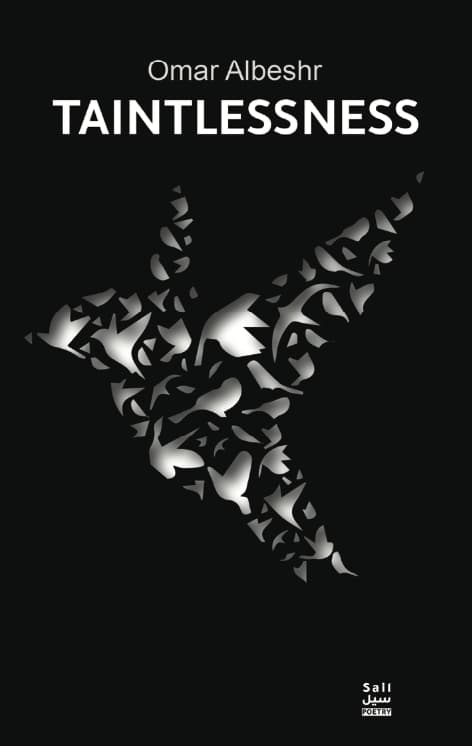
Taintlessness (2020) is my debut collection examining love, pain, and healing through melodic rhymes exploring the complex human experience.
Fields of Poetry (2021) is a collaborative anthology featuring diverse voices, available through Sail Publishing.
The Role of Poetry in Society
Arabic poetry historically served political and satirical functions, while English poetry reflects human experience and inspires change. I see myself as bridging these traditions to foster cross-cultural understanding.
Writing poetry in a second language has been a challenging and rewarding experience. It has taught me that the human need to express, to connect, to be understood — this is universal, regardless of which language carries the words.